
World of Warcraft: Forever, the re-imagining of the MMO that tries to bring back the sense of discovery of 2004, launches on Wednesday. And before it even ships, the addon ecosystem around it is already drowning in AI-generated code. 404 Media tells the story, and the numbers the Archon.gg boss gives are not really about games: they are about how you govern a public API in 2026.
What happened
Warcraft Logs has been, for years, the place where players upload the records of their fights to analyse them and get better. Its API is free for third parties. Until recently, the people using it were mostly hobbyists.
Now, according to Sildri Silentcrest, who runs Archon.gg and the site, they get at least one commercial request per day. A new WoW analytics company every day, as they put it. And they assume there are more going commercial without asking at all.
The figure that captures the shift best is this one: two years ago they had around 200 developers on the API and two, three or four were abusing it. Today it is around 10,000 developers and around 1,000 abusing it. The problem did not grow: the ratio changed.
Warcraft Logs' answer has two parts. They are reshaping the API to favour tools that dig deep —why you died to that boss, what to do on the next attempt— and to cut off the ones that scrape half the site to show shallow stats on someone else's domain. And they are adding a paid commercial key so that whoever has commercial ambitions helps fund the infrastructure they lean on.
Then there is the creator side. Plusmouse, a well-known addon author, says their work and their ideas are being ripped off: one specific nameplate design that nobody used before they published it, and that now shows up in every AI-made addon. Sometimes the code is close enough that a copyright complaint to CurseForge ends in a takedown; other times it is just different enough to survive. They have made part of their GitHub repositories private, and believe that has cut the models off.
There is even a tool to drive Claude or Codex without leaving the game, generating addons while you play.
Why it matters if you run an API
This is not a World of Warcraft problem. It is just the first place where you can see it with numbers, because the ecosystem is large, open and measured.
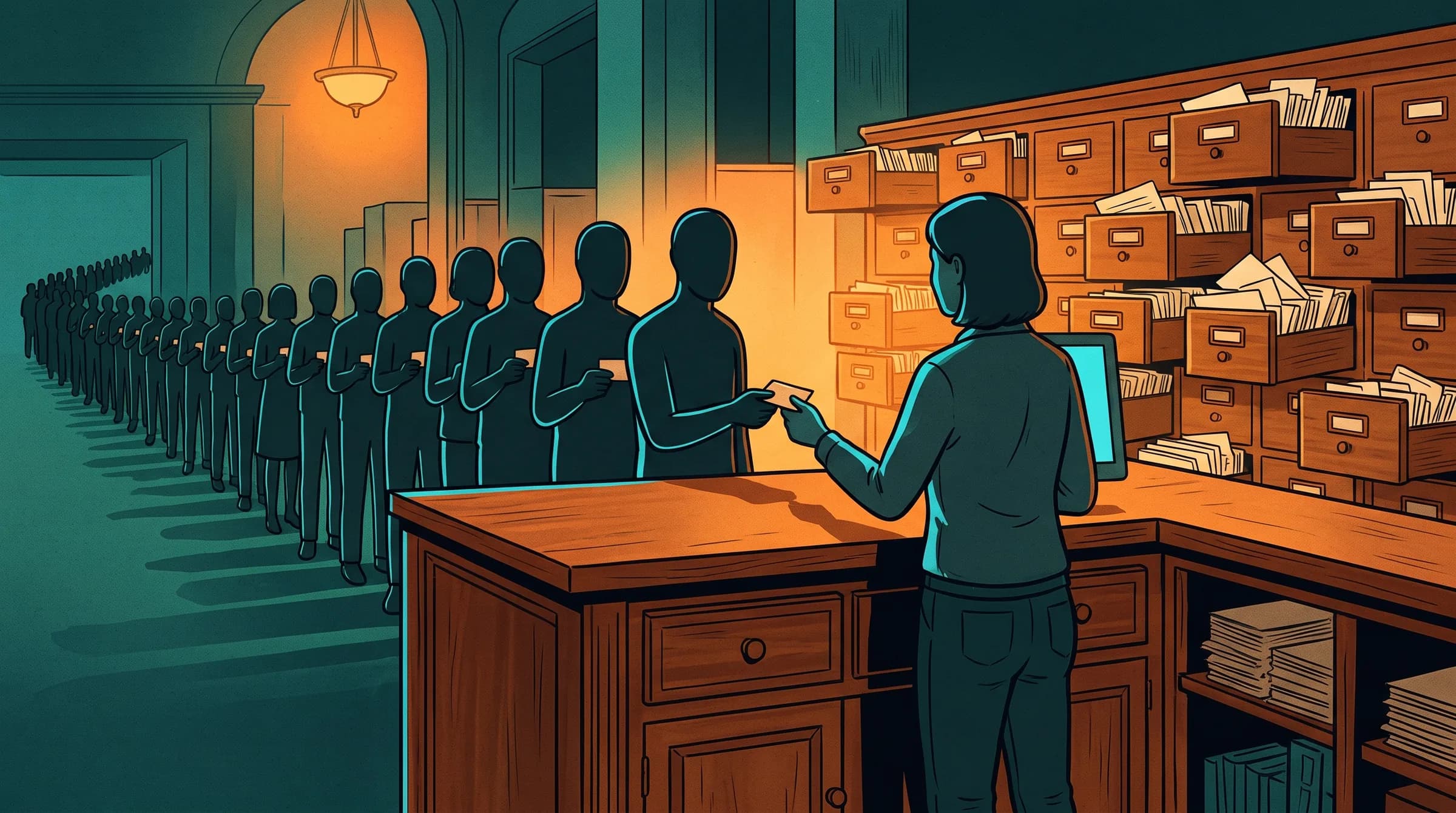
The cost of building a client for your API has gone to roughly zero. The cost of serving it has not. That asymmetry is the whole story. Your per-minute limits protected you from one machine hammering endpoints; they do not protect you from a thousand separate projects, each reasonable on its own, that appeared last weekend.
Terms of service have stopped being a mechanism. They worked because between you and the abuse there was a person who had read something before starting to code. If the client is now written by a model that was told "pull me this data", the terms are a document nobody opens. Silentcrest asks it out loud:
Maybe Claude does not read the terms, or maybe the new developers do not.
The answer hardly matters: whatever is not enforced by the system —quota, key, the shape of the endpoints— does not exist.
API design stops being neutral. Warcraft Logs says it plainly: they want to enable some things and not others. That means no more generic data dumps, and instead responses built for the use you want and awkward for the one you do not. That is opinionated design, it costs work, and it is the only thing that scales when you cannot talk to your consumers one by one.
Charging is not monetising, it is filtering. A paid commercial key is not there to make money: it is there to create a moment where somebody has to decide whether the project matters enough. That moment had disappeared.
And there is a risk almost nobody mentions: abandonware. Silentcrest flags it himself. A thousand projects born over a weekend are a thousand projects that, six months from now, will show stale data, break, and pile up vulnerabilities, with users inside them.
What does not change
Borrowing ideas between addon authors has always happened, and plusmouse is the first to say so. What is new is the scale, not the practice.
Nor has AI broken anything here: Warcraft Logs works, what changes is its policy. The team itself uses AI for research and for some code review, and admits it genuinely likes a few of the tools this coding accessibility has made possible. This is not "AI ruins a game"; it is a small site getting ahead of a platform governance problem.
And of those thousand abusive uses, we do not know how many are bad faith and how many are people who have no idea they are doing it wrong. My guess is mostly the latter, and that changes which measures make sense.
Our take
The headline blames AI, and the failure is one of design. For twenty years public APIs rested on an implicit social contract: free data, don't take the mickey. That contract did not work because people were good, it worked because the effort of building a client already filtered out everyone who wasn't serious. AI did not break the rules: it removed the filter that made them unnecessary.
What I like about the Warcraft Logs reaction is that they did not start hunting abuse one case at a time. What I think will age badly is exactly the opposite: anyone answering this with more manual policing. You do not police ten thousand developers with a small team; you design so that abuse is boring. Low default quotas, access tiers you have to ask for, aggregated endpoints instead of raw dumps. If somebody wants the dump, let them pay and sign for it.
The part that annoys me most is plusmouse locking their repositories. Open source held together because sharing was free. When sharing means handing your design to whoever can clone you in a weekend, closing up is the rational move, and we all pay for it. We saw the same thing with content scrapers and publishers: robots.txt first, paywall later. The same will happen here unless something is put in the middle.
This is exactly what we run into when somebody asks us to open their API to third parties: the interesting conversation is never the endpoints, it is what happens the day a thousand clients you never approved show up, none of whom read a word.
Any questions, tell me and we'll look at it.
All the best, Vicente.